Feb 4th, 2026
1. The Signal in the Noise
Infosys, TCS, and Wipro shares have plummeted ~6-8% in a single trading session, wiping out billions in market cap. All because of what Anthropic new AI tool, their Agentic CoWork tool promises to do with Agentic AI. ( Anthropic’s new AI tool sends shivers through the tech world, Infosys, TCS shares fall sharply.)
While the media is calling this a “SaaSpocalypse,” it is a structural correction.
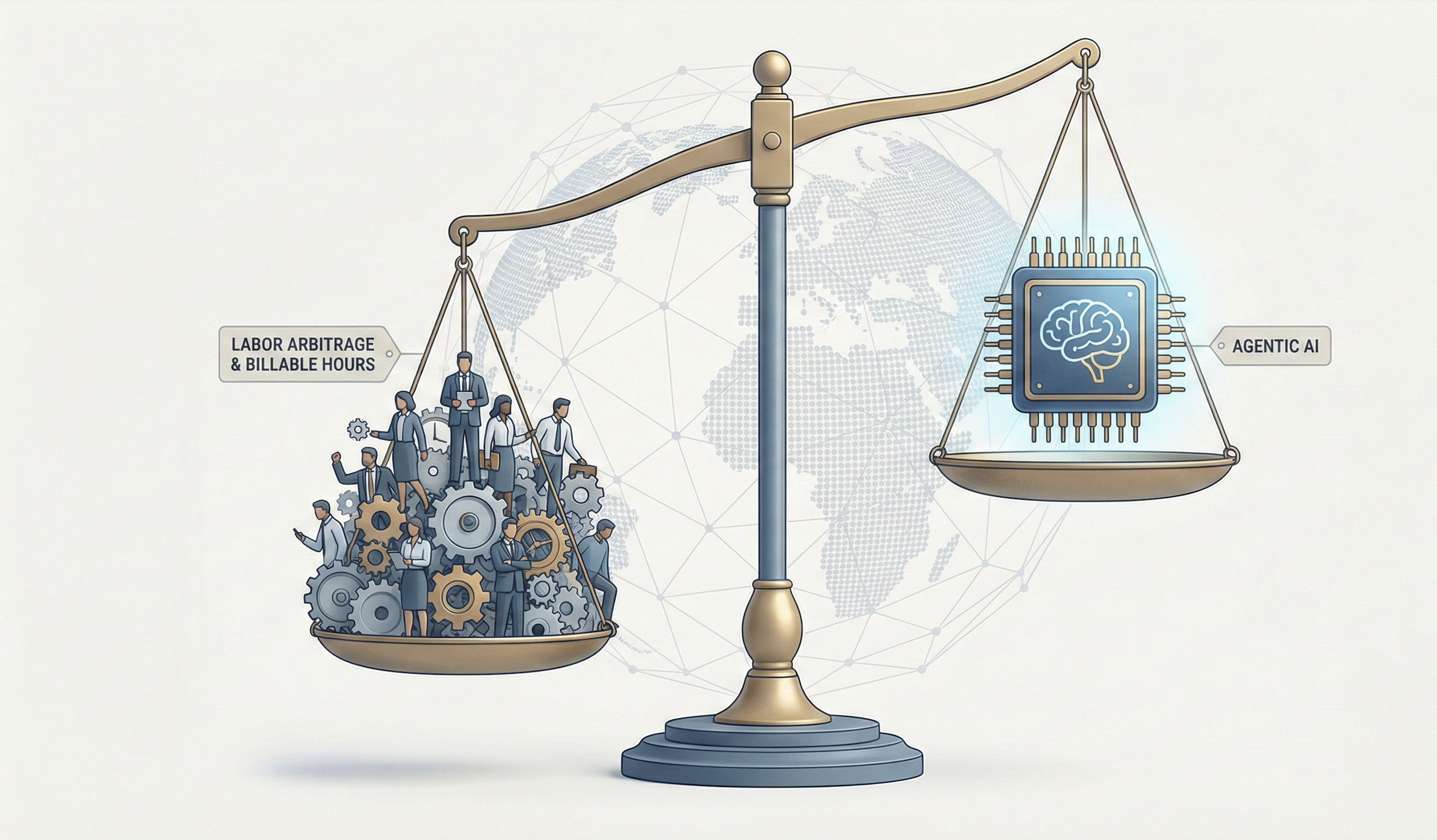
The market has realized that the traditional “Labor Arbitrage” model—hiring humans to perform repeatable digital tasks—is being rendered obsolete by the release of Anthropic’s Claude CoWork. This is just the first wave. Expect major competitors to launch similar tools rapidly. Furthermore, these capabilities will improve at an accelerating pace—the technology available today is the slowest it will ever be.
This is not just another chatbot update. It is the arrival of Agentic AI that can autonomously execute workflows companies currently outsource.
2. What is “Claude CoWork”?
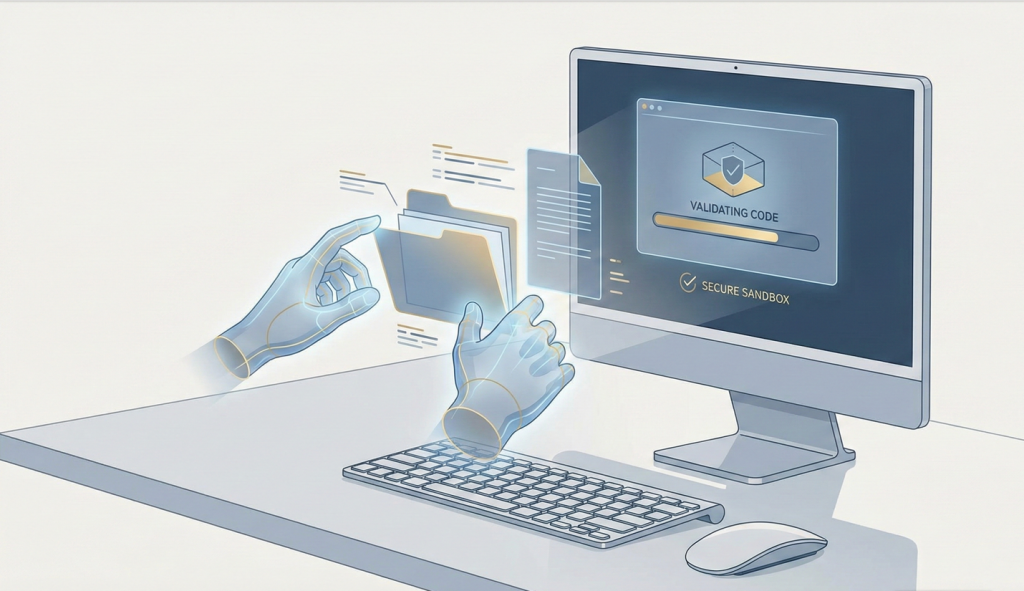
Unlike previous tools that “assisted” users (e.g., suggesting code or drafting emails), Claude CoWork is an autonomous agent with permissioned access to a user’s local filesystem and desktop environment. What is Claude CoWork
- It Does the Work: Instead of asking “How do I organize these files?”, you give it access to a messy Downloads folder and say, “Organize these by date and type,” and it executes the file moves itself.
- It Validates: It runs in a sandboxed virtual machine (VM), allowing it to write code, test it, and validate the output before presenting it to the human.
- It Specializes: The release includes specific plugins for Legal, Finance, and Sales. For example, it can ingest 50 contracts, flag risks based on a compliance playbook, and generate a summary report without human intervention.
3. Why This Crashed the Market (And Impacts IT Labor Buyers)
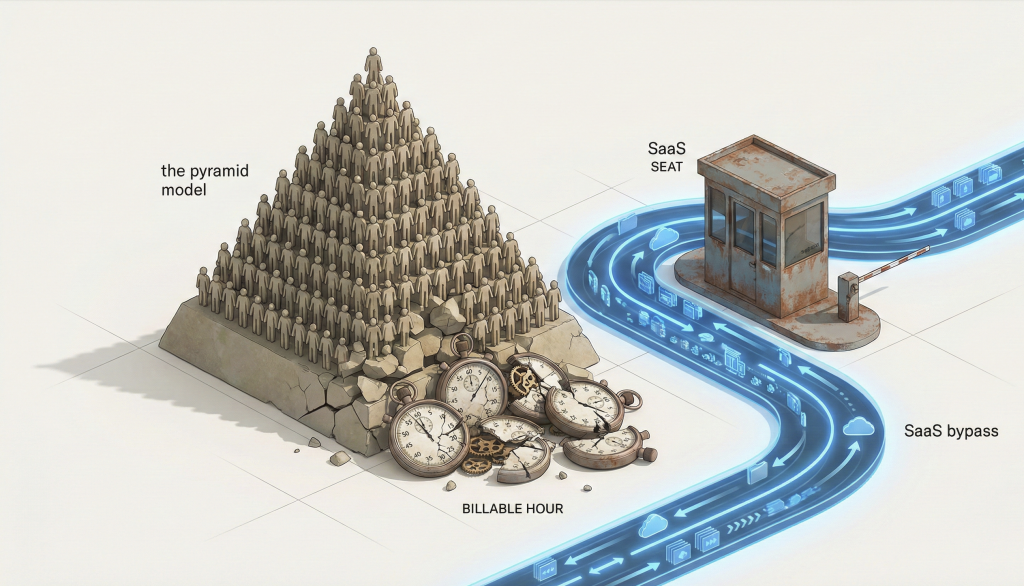
The market reaction confirms three specific threats to the IT Vendor Labor Engagement Model companies have used for the last two decades:
A. The “Billable Hour” is Dead
Companies currently pay vendors on a “Time & Materials” (T&M) basis for tasks like development expertise, regression testing, invoice reconciliation, L1 support. Things usually classified as IT Outsourcing, Business Process Outsourcing.
- The Shift: Claude CoWork can perform a “10-hour” data entry or compliance task in minutes. If companies continue paying human rates for work an agent does instantly, they are hemorrhaging budget. The market assumes clients will demand a shift to Outcome-Based Pricing or a shift to outcome-based model in their newer contract.
B. The “Pyramid Model” Collapse
IT Offshore vendors rely on an army of junior resources (the bottom of the pyramid) to handle routine grunt work while they learn.
- The Shift: Claude CoWork targets exactly these roles. If an agent handles the grunt work, the vendor’s mechanism for training senior talent breaks. Companies are facing a future where “junior” vendor resources are more expensive because they are no longer subsidized by volume work.
C. The “SaaS Seat” Bypass
This isn’t just about labor; it’s about software.
- The Shift: If an agent can bridge the gap between our ERP system and a spreadsheet autonomously, companies may no longer need as many specialized “read-only” or “data-entry” licenses for expensive SaaS platforms. This threatens the entire ecosystem of tools the vendors manage for companies.
4. The Strategic Horizon: What You Must Rethink Next
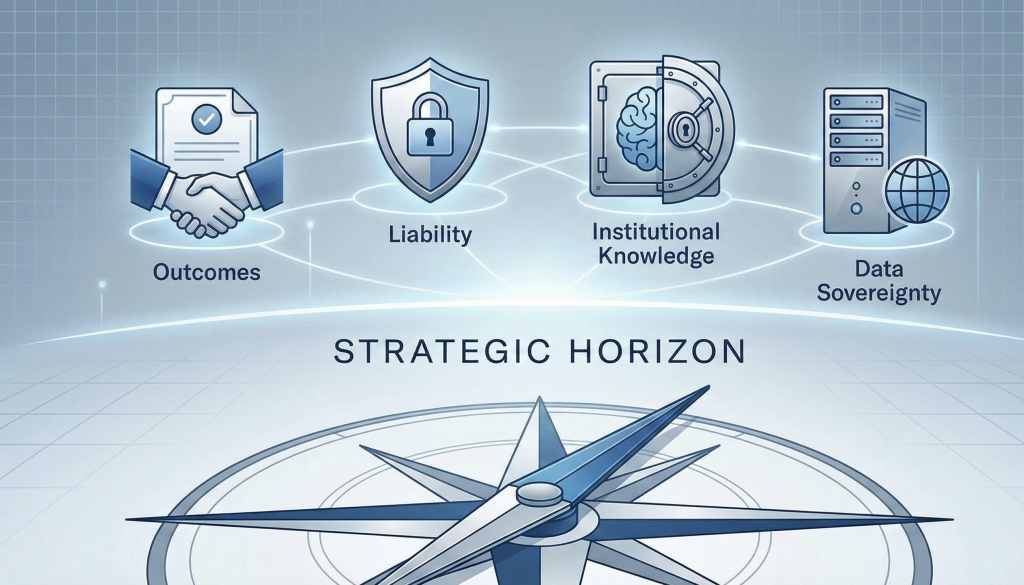
As companies look beyond the immediate stock shock, IT and Procurement leadership must fundamentally re-evaluate the philosophy of how they buy “work.” The old playbooks for RFPs and SOWs will not protect companies in an agentic world. They need to shift thinking in four critical areas:
A. Buying “Outcomes,” Not “Effort” For 20 years, the primary metric has been the Rate Card (Price Per Hour). In an age of infinite, near-free digital labor, measuring “hours” is meaningless.
- The Pivot: Companies must move to Outcome-Based Pricing. They shouldn’t pay for 40 hours of “Testing Services”; They should pay a flat fee for “Zero Critical Defects Released.” If the vendor uses AI to do it in 5 minutes, fine—but the price must reflect the automation, not the human labor that would have been required.
- The Question: How do companies define and verify a “unit of work” when no human timesheet exists?
B. The “Liability Gap” in Managed Services When a human employee makes a mistake, we have established protocols for negligence and retraining. When an autonomous agent (running on a vendor’s infrastructure but accessing our data) hallucinates or executes a destructive command, who is liable?
- The Pivot: The contracts need new “AI Indemnification” clauses. If a vendor uses Agentic AI to accelerate delivery, they must assume 100% liability for the agent’s actions, just as they would for a human employee. Companies cannot accept “the model made an error” as a force majeure event.
- The Question: Are the current Master Services Agreements (MSAs) robust enough to handle “Agentic Negligence”?
C. The “Hollowing Out” of Institutional Knowledge Companies outsource execution but often retain the “Knowledge Owners” in-house. However, if the “doing” is handled entirely by agents, the feedback loop that builds expertise is severed.
- The Pivot: Companies face a risk where nobody understands the system anymore—not your team, and not the vendor’s team (because their AI did it). You need to rethink “Knowledge Transfer.” It is no longer about humans shadowing humans; it is about owning the Agentic Logs and Prompt Libraries.
- The Question: If you fire the vendor tomorrow, do we get to keep the “trained agent” that knows our environment, or does that intelligence walk out the door with them?
D. Re-evaluating the “Offshore” Premium The primary driver for offshoring was geo-arbitrage (lower cost of living = lower wages). Agentic AI flattens the world even further. A server cost is the same in Bangalore as it is in Boston.
- The Pivot: The “Offshore Advantage” is eroding. If the work is done by compute, the location of the human supervisor matters less than the latency, data sovereignty, and security of the infrastructure.
- The Question: Should you bring certain “commoditized” functions back onshore (or “near shore”) simply because the cost difference is now negligible compared to the data risk?
5. A Final Word of Caution: The Risk of Complacency
It is tempting to view this as “futuristic” or to adopt a “wait and see” approach while the technology matures. That would be a strategic error.
The violent correction in the stock market indicates that the “smart money” sees this disruption as immediate, not hypothetical. The speed of Agentic AI evolution is outpacing your standard 3-year contract cycles. If you are lax now, you risk becoming the “legacy cash cow” that funds your vendors’ own AI transformations while you continue to pay premium rates for obsolete manual labor.
You cannot wait for the next renewal cycle to have these difficult conversations. The pivot to an AI-first commercial model must begin today, or you will find yourselves paying human prices for robot work.