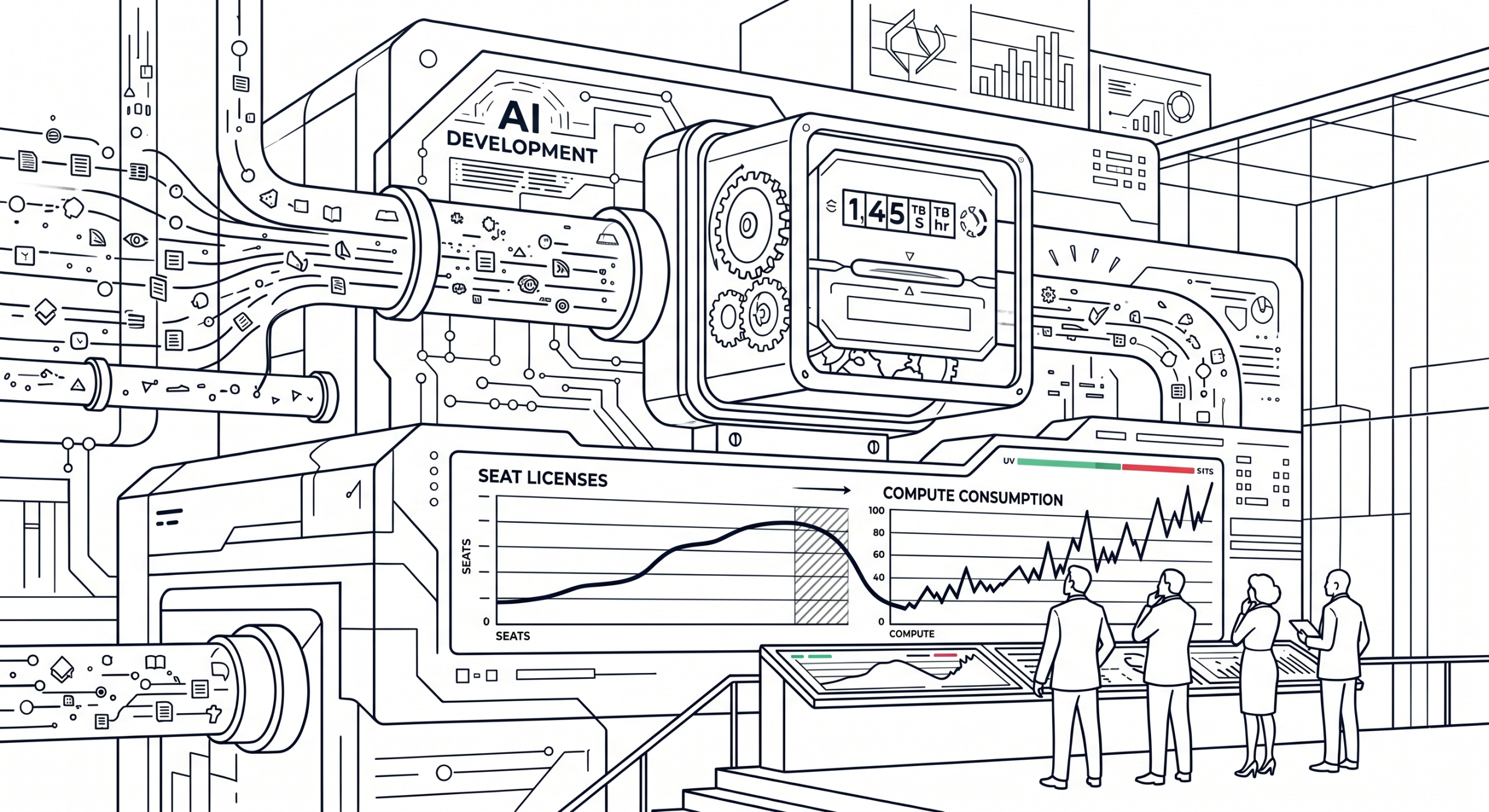
India’s strong position as a global hub for Global Capability Centers (GCCs), currently hosting approximately 1,700 centers and employing 1.9 million professionals, is facing some evolving dynamics. Three key factors are introducing a degree of caution into the sector’s previously rapid expansion.
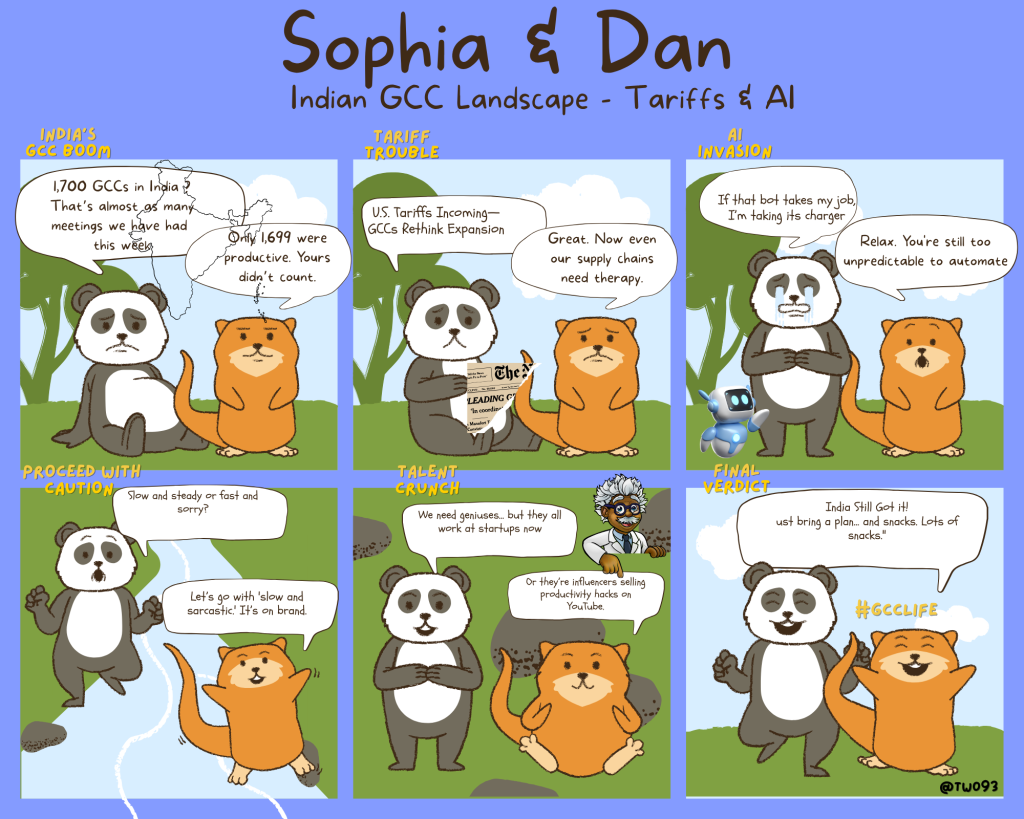
🌚 Tariffs from Uncle Sam: The Buzzkill Nobody Asked For
One significant factor is the potential impact of tariffs, particularly those originating from the United States. These potential trade measures are leading some companies considering establishing or expanding GCC operations in India to adopt a more measured “wait and see” approach. Industries most sensitive to these tariff considerations include:
- Automotive
- Semiconductors and Electronics
- Manufacturing
- Banking and Financial Services
- Pharmaceuticals
These sectors are reportedly reassessing their investment plans to account for potential shifts in supply chains and the possibility of increased operational costs.
🤖 AI’s Here. It’s Smart. And It’s Stealing Your Back Office
The second influential factor is the increasing role of Agentic AI. The advancements in AI technologies are prompting businesses to re-evaluate their operational models and future workforce needs. This reassessment could influence the scale and nature of upcoming GCC investments in India as companies explore how AI can optimize their processes.
🚨 Talent Wars 2.0: Less People, More Problems
The existing high concentration of GCCs in India has already created a competitive landscape for talent acquisition. Any slowdown in new GCC entrants might offer a temporary easing of this competition. However, if the focus shifts towards specialized, high-value roles less susceptible to automation, the demand for niche skill sets could intensify, leading to new talent acquisition challenges and potential cost increases. Organizations will need to develop robust talent strategies to attract and retain the right expertise in this evolving environment.
🛫 Dear GCCs: Proceed, But Pack a Parachute
For organizations considering establishing or expanding GCCs in India, these factors suggest a need for increased strategic deliberation:
- Phased Investment: Companies may opt for a more phased approach to GCC development, allowing for adjustments as the tariff and AI landscapes evolve.
- Operational Flexibility: Emphasizing operational flexibility and adaptability will be crucial to navigate potential disruptions and capitalize on emerging opportunities.
- Focus on High-Value Activities: GCCs may increasingly focus on higher-value activities that are less susceptible to automation, requiring a focus on specialized skills and innovation.
- Risk Assessment: Comprehensive risk assessments that incorporate geopolitical and technological factors will be essential for informed decision-making.
🥇 SUMMARY
In summary, while India remains a compelling destination for GCCs, the combined effects of potential US tariffs and the ongoing evolution of AI technologies are creating a period of strategic evaluation. This may result in a temporary moderation of the rapid growth previously seen in the sector, coupled with a shifting talent landscape that demands careful planning and proactive talent management strategies.