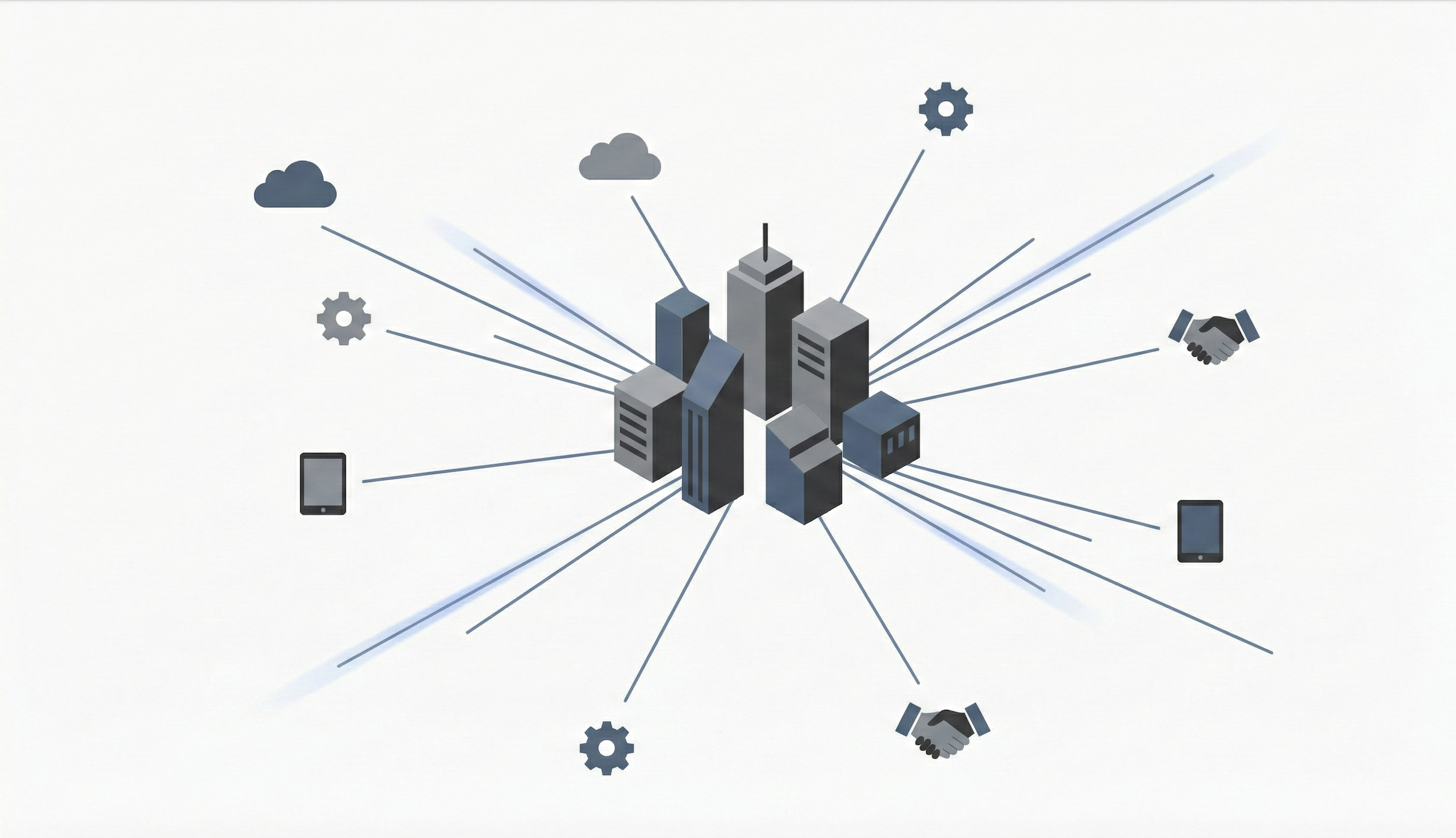
Most of us are used to managing vendor risk when it’s visible: missed deliveries, security findings, cost overruns. AI changes the nature of that risk in a quieter way. What’s different now is that vendor systems are starting to do more than support work. In many cases, they are shaping outcomes inside our processes, often without an explicit decision to let that happen. That shift deserves more attention than it’s getting.
What Has Actually Changed

Historically, vendors provided tools or services. Our teams made the final calls.
With AI-enabled vendors, that line is no longer clear. Models suggest, prioritize, route, flag, or auto-complete work. Those behaviors evolve over time, sometimes through routine updates that don’t trigger a formal review.
The contract hasn’t changed. The behavior has.
That’s where risk quietly increases.
Where IT leaders Are Seeing Risk Show Up

Across peer conversations, the same patterns keep coming up:
- AI features moving from helpful support to default behavior
- Limited visibility into how vendor models change over time
- Data being used during AI processing in ways contracts never described
- Unclear ownership when AI-driven outputs create issues downstream
Each issue feels manageable on its own. Together, they change how risk accumulates.
Why This Often Slips Through Governance
Vendor AI risk rarely shows up as a new approval or a new contract. It comes in as:
- “Included with the platform”
- “Just an enhancement”
- “Turned on by default”
By the time someone asks whether this was reviewed, the capability is already embedded in daily operations. At that point, pulling it back becomes difficult.
The Simple Reframe That Helps
A useful way to think about this is straightforward:
Some vendors are no longer just providing tools. They are affecting how work gets done.
That doesn’t require slowing AI adoption. It does require being clear about who owns the outcome when something goes wrong.
What Peers Are Doing That Works
The CIOs who seem least surprised later are taking a few practical steps:
- Flagging vendors whose AI affects workflows or outcomes
- Asking for notice when AI behavior or models change
- Assigning clear business owners for AI-driven results
- Updating vendor reviews to include how AI is used, not just security and SLAs
Nothing heavy. Just deliberate.
Bottom Line

AI hasn’t eliminated vendor risk. It has made it easier to miss.
If vendor systems can change how work flows through the organization, governance needs to keep pace. Otherwise, the first real discussion about risk will happen after a problem shows up—usually at the worst possible time.