The AI vendor’s innovation cycle isn’t the enterprise’s value cycle.
By Two93
By the time an organization learns a new AI platform, builds something useful, works through security and governance, and gets it into production, the technology underneath it may have already changed. Sometimes significantly. You spend weeks learning a platform, configuring an agent, connecting data, and testing workflows. Then the vendor announces a new capability that does much of what you just built. Usually better. That’s progress. And I’m all for it. But it raises a question I don’t think we’re asking enough.
Are we giving organizations enough time to realize value from AI before moving on to the next thing?
The Cost of Keeping Up
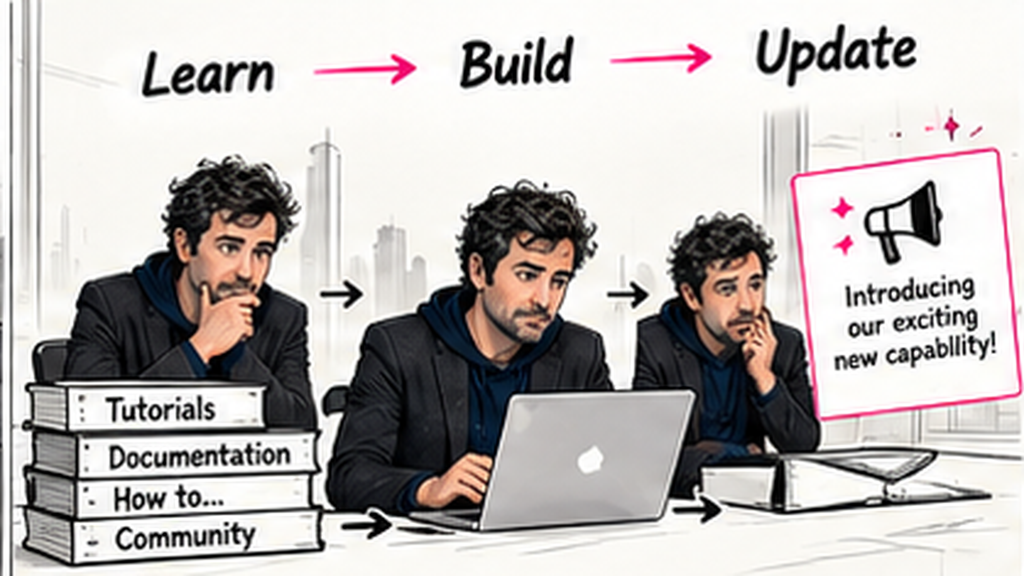
Having spent years working with enterprise technology and vendor ecosystems, I’ve seen plenty of technology transformations. Cloud. SaaS. Platform migrations. Vendor upgrades. Change isn’t new. The speed is.
AI vendors are releasing new capabilities in weeks and months. Enterprises often need months to implement, integrate, govern, and stabilize them. And getting something into production isn’t the same as getting value from it. People need to adopt it. Processes need to change. Teams need to trust it. The business needs to measure whether it’s improving anything.
That takes time. Meanwhile, the platform keeps evolving. We’re spending considerable effort understanding AI licenses, tokens, credits, and consumption costs. But there’s another cost that rarely appears on the invoice.
The cost of continuously learning, building, testing, adapting, and sometimes rebuilding.
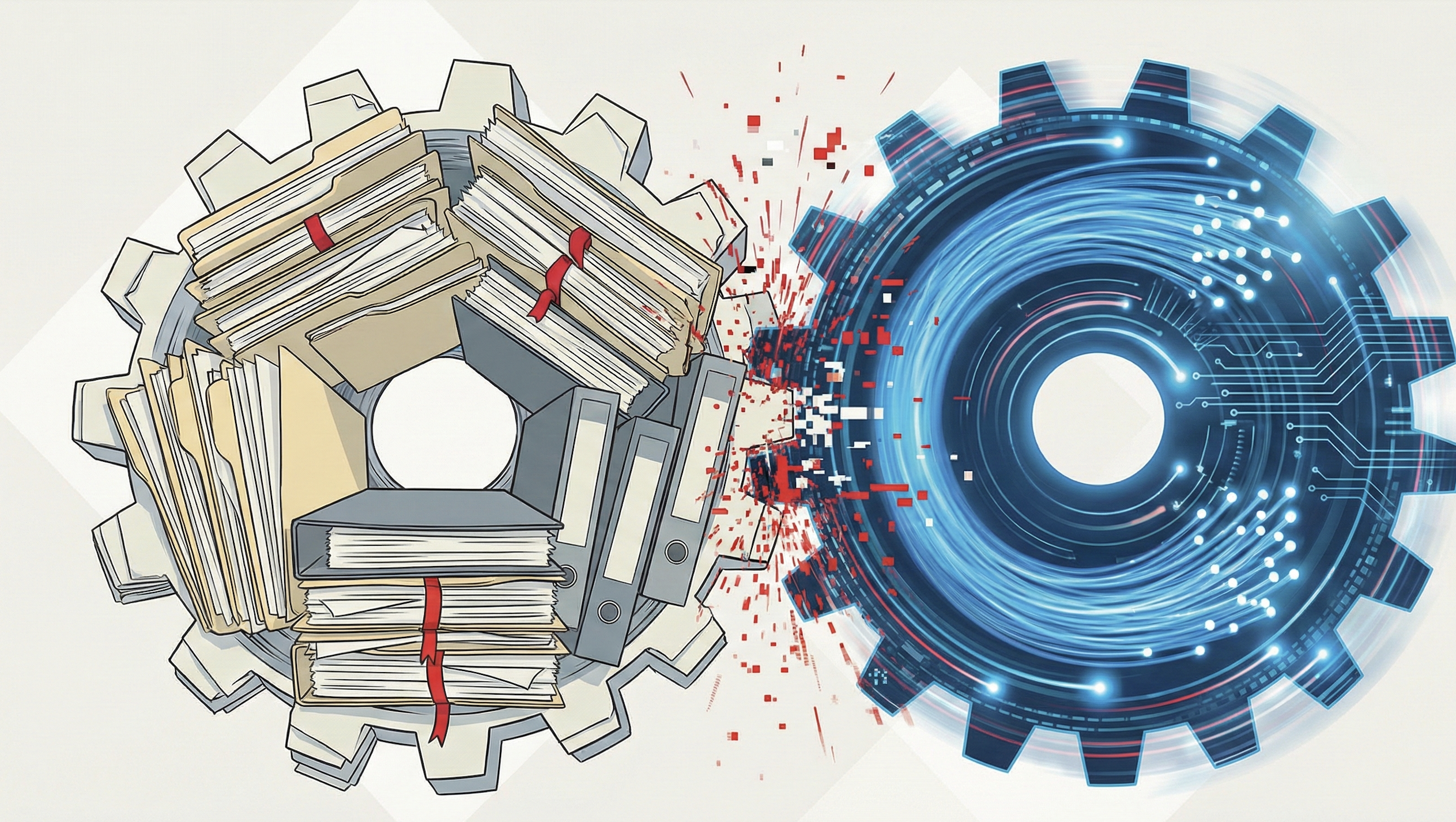
A new vendor capability might make a solution cheaper to operate. But evaluating it, migrating to it, and retraining users can introduce another round of costs. The technology may have become more efficient. That doesn’t necessarily mean the enterprise has.
Two Different Clocks
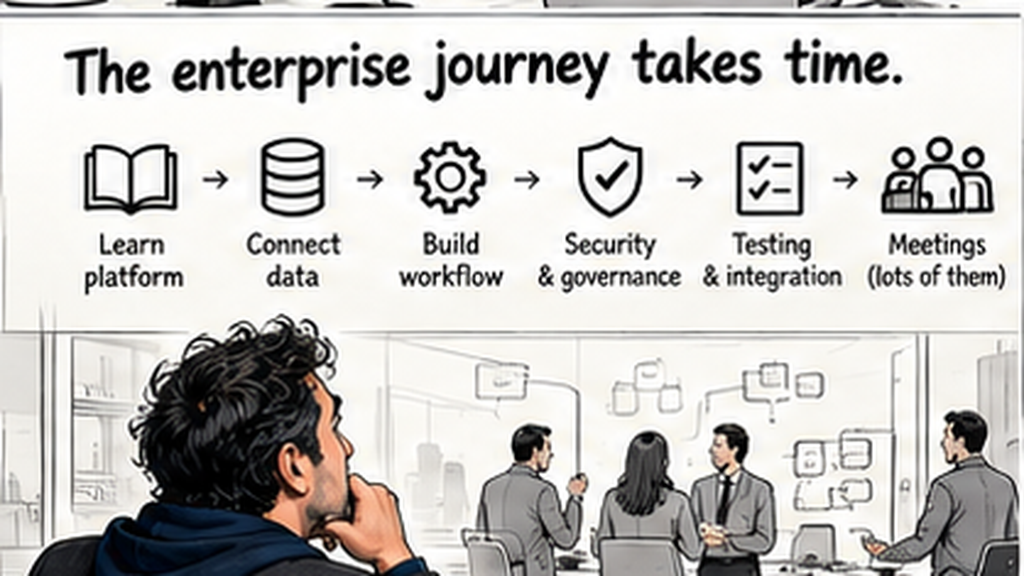
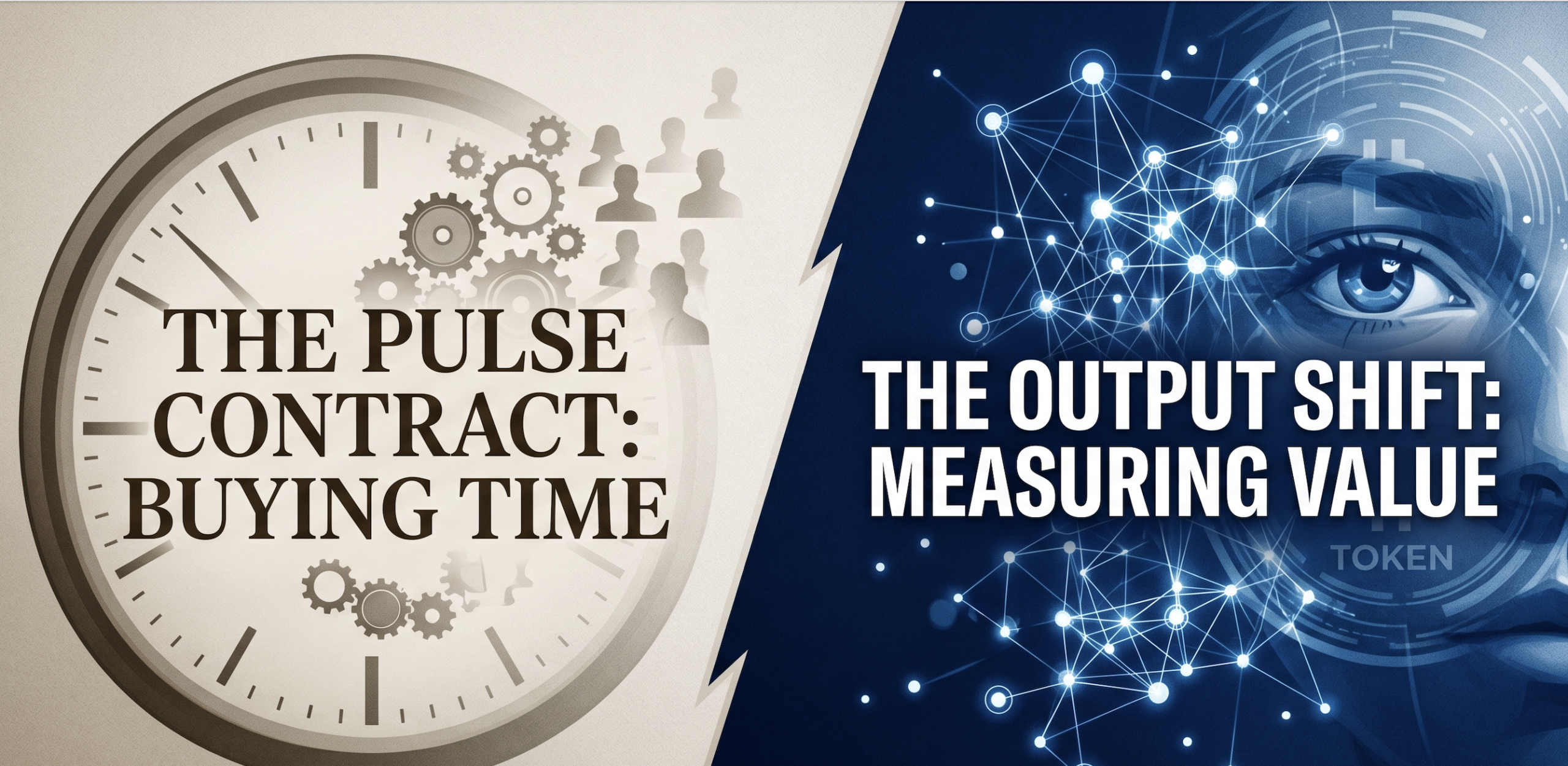
I think this is where the real tension lies. Vendors measure progress through new releases, capabilities, and performance improvements. Enterprises measure progress through reliable operations, productivity, business outcomes, and financial returns. Both are legitimate. But they’re operating on different clocks. A vendor can introduce a better agent next month. An enterprise might still be trying to get value from the one it deployed six months ago. And unlike a demonstration, a production business process can’t be redesigned every time a new model arrives on a Tuesday. Although the announcements in my inbox suggest otherwise.
Maybe We Need to Be More Selective
I don’t think organizations should slow down experimentation. Quite the opposite. But we need to distinguish between experimenting with AI and investing in long-term business capabilities. Not every demonstration needs to become a production agent. Not every workflow needs custom development. And not every platform update requires us to rebuild something that’s already working.
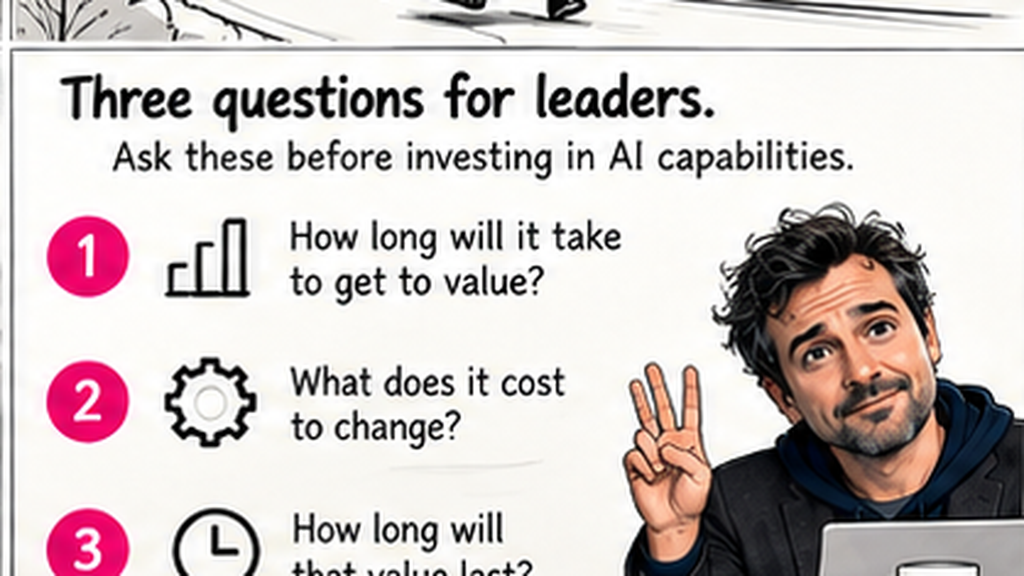
Before making significant investments, I’d ask three questions:
- How long until we see measurable business value? Not just a working solution, but an actual improvement in how work gets done.
- What will it cost to keep the capability useful? Including upgrades, integrations, maintenance, and retraining.
- How long will that value last? Particularly if the underlying technology continues changing.
These aren’t complicated questions. But I suspect they’ll become increasingly important as AI investments mature.
The Next Measure of AI Maturity
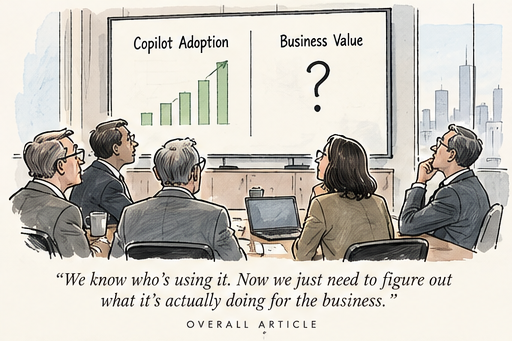
We’ve spent the last couple of years asking how many AI licenses we’ve deployed, how many employees are using them, and how many agents we’ve built. Those are reasonable starting points. But perhaps the more important question now is:
How do we build AI capabilities that continue delivering value while the technology underneath them keeps changing?
Because the business doesn’t benefit simply because a new model was released. It benefits when technology improves a process, creates capacity, reduces costs, or delivers a better outcome. And those benefits need time to materialize. Maybe the next measure of enterprise AI maturity isn’t how quickly we can build the next agent.
Maybe it’s how much value we can get from the last one before we have to rebuild it.
Next: As enterprises build more AI capabilities on vendor platforms, how much of what they’re creating can they actually take with them? That’s where portability, vendor dependency, and AI economics become particularly interesting.Two93 | AI Vendor Economic