April 14th 2026
LONDON / NEW YORK — For decades, the math of IT outsourcing was ironclad: more work required more people, and more people required more money. Today, that equation is officially broken.
The “unit of work” has fundamentally shifted, leaving traditional contracts—and the leaders who sign them—scrambling to bridge a widening gap between what they pay for and what they actually receive.
The Era of “Hours with a Pulse”
Traditional outsourcing was never about outcomes; it was a commodities market for human presence. Enterprises traded capital for:
- FTEs (Full-Time Equivalents)
- Utilization Rates
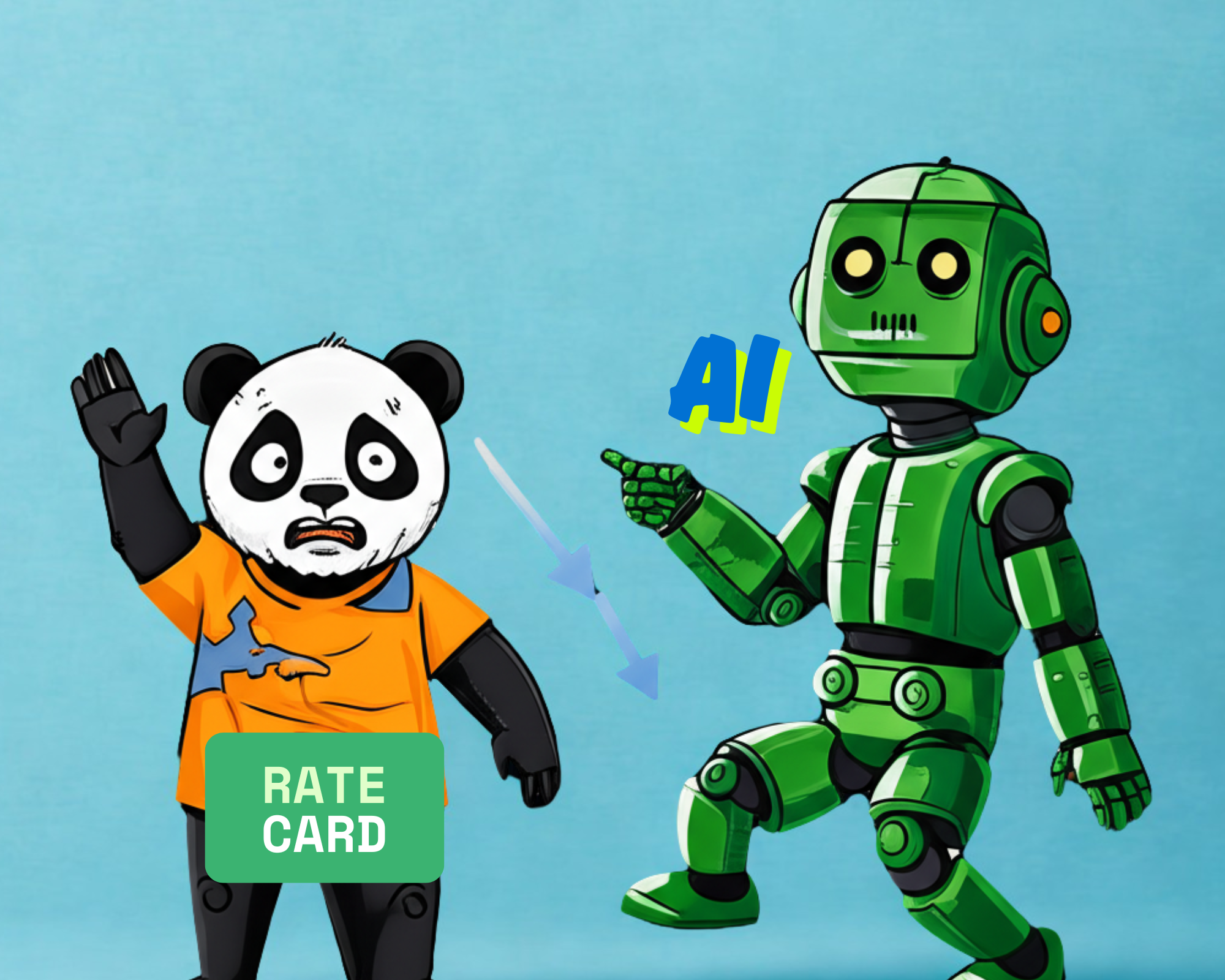
- Static Rate Cards
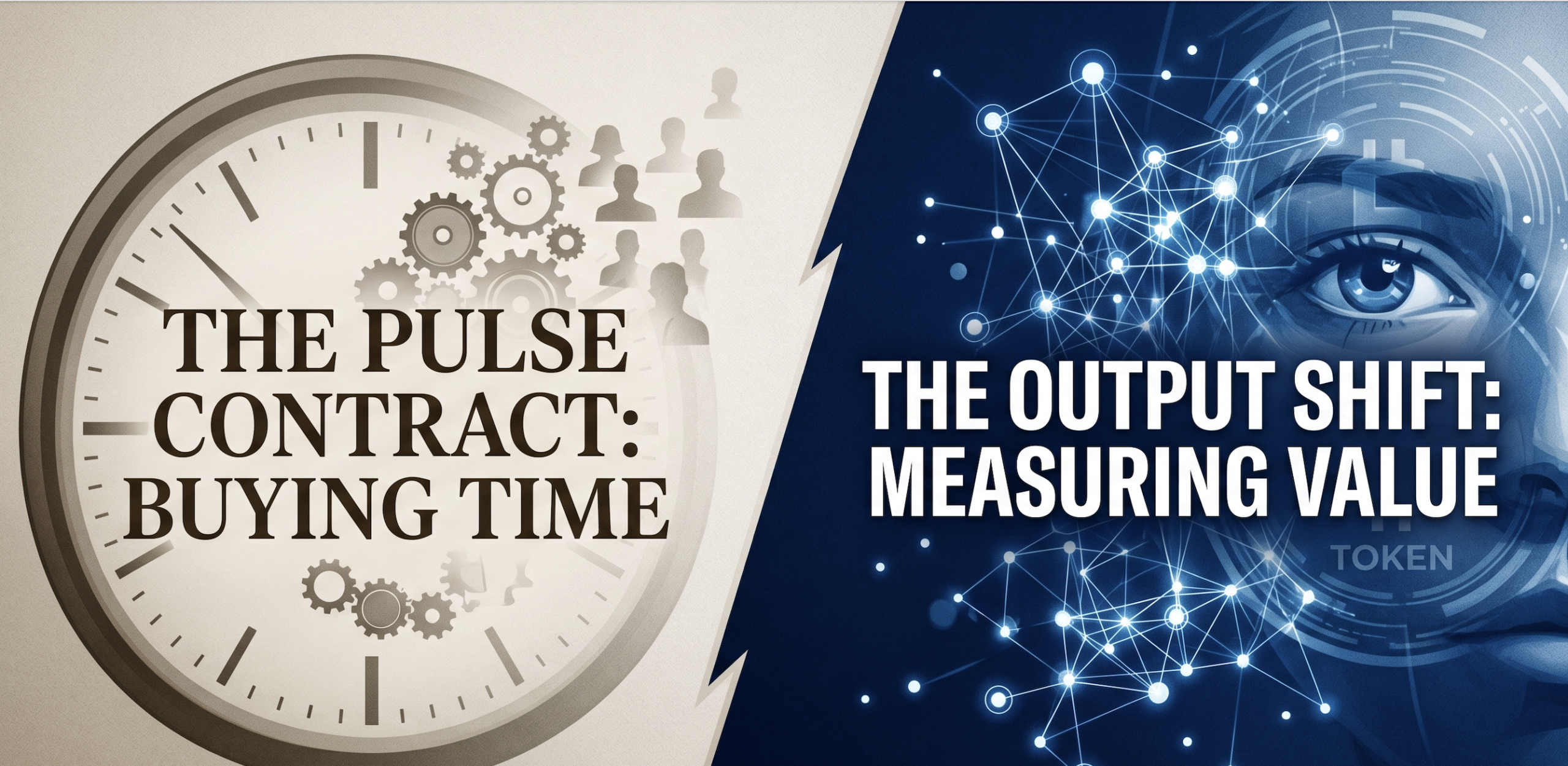
In this legacy model, you weren’t buying a solved ticket or a finished line of code. You were buying a specific number of hours with a pulse attached.
The “Invisible” Margin Gap
Artificial Intelligence has decoupled productivity from headcount. A single engineer equipped with AI copilots now resolves tickets and generates documentation at a velocity that makes the 40-hour work week an obsolete metric.
However, a systemic friction has emerged: Your contract still assumes humans are doing the heavy lifting. Inside vendor environments, AI agents and automation are quietly replacing manual workflows. Yet, the billing remains tied to headcount. This creates a “gray zone” where the efficiency gains of AI are being harvested as pure margin by vendors, rather than passed as savings to the enterprise.
Measuring the Container, Not the Cargo
As work shifts from human effort to tokens, API calls, and compute cycles, the “electricity meter” of the modern enterprise has changed. Leaders who continue to manage via Cost per FTE are effectively measuring the container while ignoring the cargo.
“The question is no longer ‘How many people do I need?’ It is ‘What is the cost of this outcome—and who controls the meter?'”
The New Reality
The transition from human-centric to AI-augmented outsourcing is no longer optional. To survive the shift, procurement and IT leaders must move toward a model that is:
- Outcome-based: Paying for the result, not the attempt.
- Consumption-driven: Scaling with tokens, not staff.
- Decoupled: Breaking the link between productivity and headcount.
The old model was built on buying time. The new model is built on buying output. If you aren’t watching the meter, you’re paying for a ghost workforce.